

Most people have heard that pelvic floor exercises help with bladder control. Far fewer people actually do them consistently. Not because they are difficult, but because it is hard to know if you are doing them right, and easy to forget something you cannot see or feel obvious results from.
The only real hurdle is the first week or two of making sure you are using the right muscles. After that, it is mostly just remembering to do it. No equipment, no gym, no set time of day.
What is a Kegel, exactly?
A Kegel is just a contraction of the pelvic floor muscles, the group of muscles that sit at the base of your pelvis and support your bladder, bowel, and uterus (or prostate, for men). These are the same muscles you use to stop the flow of urine mid-stream.
To find them, try this: next time you use the bathroom, briefly stop and start the flow. The muscles you used to do that are your pelvic floor. That squeezing sensation is a Kegel.
You do not need to practice on the toilet. That was just to locate the muscles. From here, you can do Kegels anywhere.
Why they are easier than people think
The most common reason people stop doing Kegels is that they are not sure they are doing them correctly. They do not feel dramatic, so it can be hard to tell if anything is happening. But that is actually a sign you are using the right muscles: the movement is subtle and internal.
A few things that trip people up:
- Holding your breath. You should breathe normally throughout. If you are tensing your stomach, thighs, or buttocks, you have moved to the wrong muscles. Relax everything except the pelvic floor.
- Overdoing it too soon. Starting with long holds when the muscles are weak leads to fatigue and frustration. Short holds done consistently are more effective than long holds done badly.
- Expecting fast results. Pelvic floor muscles respond to training the same way any other muscle does, gradually. Most people start noticing a difference after four to six weeks of regular practice.
A simple daily routine to actually stick to
Here is a realistic starting point. If you already have some experience with Kegels and want a more structured progression, our full pelvic floor exercise series walks through the levels in detail.
Basic hold: Squeeze the pelvic floor muscles and hold for three seconds. Release fully and rest for three seconds. Repeat ten times. That is one set.
Quick flicks: Squeeze and release quickly, without holding. Ten repetitions. This trains the muscles that respond to sudden pressure like a sneeze or a cough.
How often: Two to three sets a day is enough to build strength over time. You do not need to block out time for this. Most people do a set lying in bed before getting up, one during the day whenever there is a quiet moment, and one in the evening.
The key is attaching it to something you already do. Same time, same trigger, same habit.
Who benefits from doing Kegels regularly
Kegels help with most forms of leakage that come from a weakened pelvic floor. This includes the small leaks that happen with sneezing, laughing, or moving quickly. They also help with the sudden urgent need to go before you can reach the bathroom. If you are not sure what type of incontinence you are dealing with, it is worth reading up on that first, since it affects which exercises and strategies will help most.
For people managing nighttime leaks, consistent pelvic floor training over time can reduce the frequency of overnight incidents as the muscles get stronger and better at maintaining control during sleep.
Kegels are not a cure-all and they do not work instantly. But they are low effort, completely free, and the evidence behind them is strong. For something you can do on the bus, they are a pretty good investment.
The easiest way to remember
Set a small reminder on your phone. After a few weeks, the cue becomes automatic and you will not need the reminder anymore.
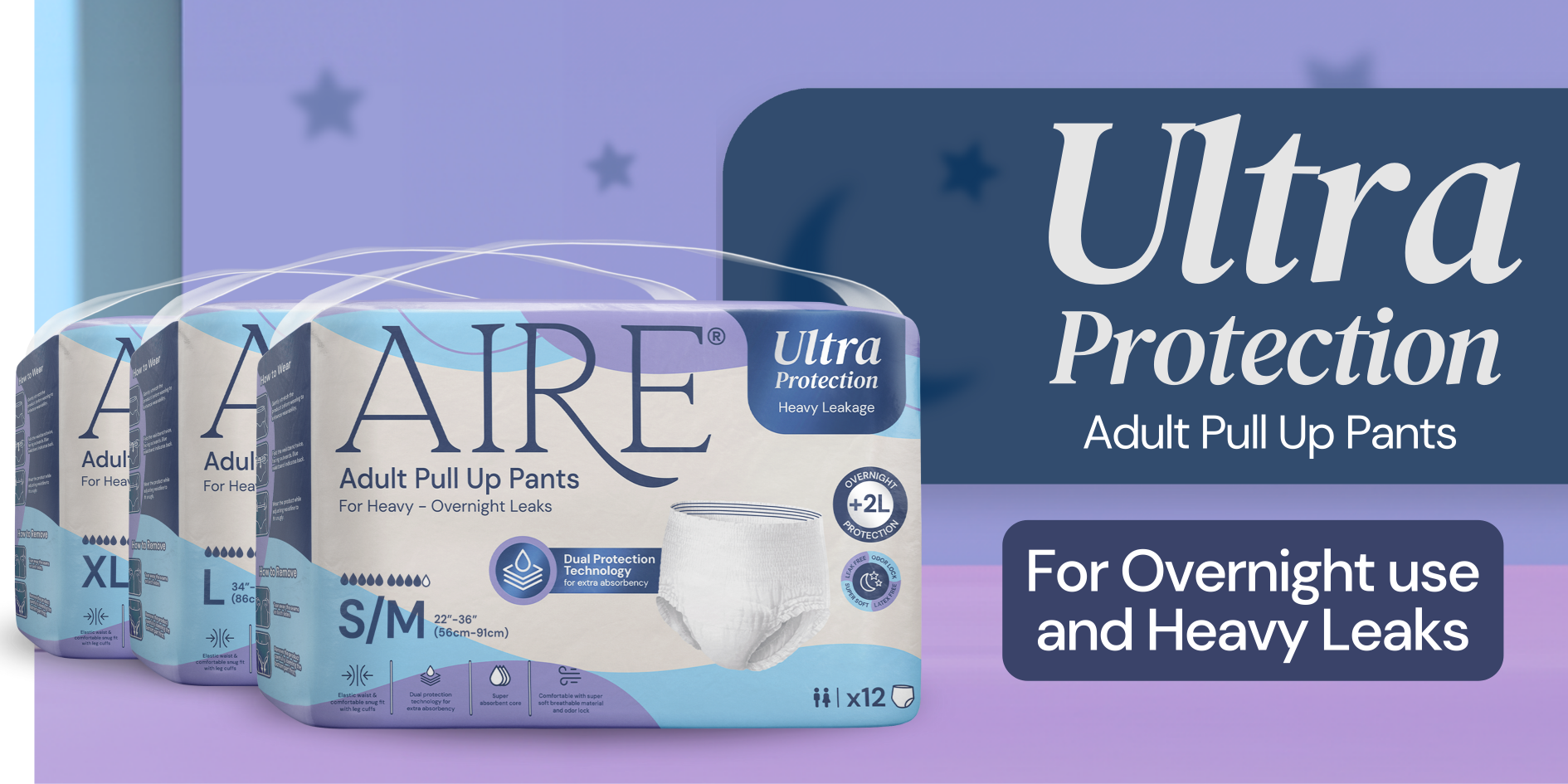
If you are also managing leakage day to day while building up strength, it helps to have the right protection in place so that is one less thing to think about. Aire offers a free sample pack if you want to find what works for you without committing to a full order.
