

Having a baby is one of the biggest moments of your life. But for many new mothers, it also comes with something nobody really warns you about: leaking urine. If you find yourself leaking when you laugh, sneeze, or pick up your baby, you are not alone. Postpartum incontinence is very common, and the good news is that there is plenty you can do about it. In this article, we will explain why it happens, how long it usually lasts, and what actually helps.
Why Does This Happen After Giving Birth?
Your body goes through a lot during pregnancy and delivery. One of the areas most affected is your pelvic floor, which is the group of muscles at the bottom of your pelvis. These muscles hold up your bladder, uterus, and bowel, and they are what you use to control when you urinate.
During childbirth, these muscles get stretched and strained. This can make it harder for them to do their job properly, which is why leaking happens. Here are some of the main reasons:
- The muscles get stretched during delivery: During a vaginal birth, your pelvic floor muscles stretch a great deal to let the baby pass through. This can weaken them and make bladder control harder. To learn more about the different types of incontinence that can result from this, we have written an article specifically on the topic.
- The nerves around the area can be affected: A long or difficult labour, or a delivery that needed forceps or vacuum assistance, can affect the nerves around the pelvic floor. This also plays a role in bladder control.
- Cuts or tears during delivery: If you had an episiotomy or tearing, the surrounding muscles can take longer to recover, which can delay the return of full bladder control.
- Even a caesarean does not fully protect against it: Nine months of carrying a growing baby puts a lot of pressure on the bladder, regardless of how you delivered. So even mothers who had a caesarean can experience leaking after birth.
- Each pregnancy adds up: If this is not your first baby, the effects on your pelvic floor can be more noticeable because each pregnancy and delivery adds to the strain over time.
What Kind of Leaking Is Most Common?
Most new mothers experience what is called stress incontinence. This is when urine leaks during moments of physical pressure, such as coughing, sneezing, laughing, or carrying your baby. Some women also feel a sudden, strong urge to rush to the toilet that is very hard to hold. Others experience both at the same time.
A little leaking in the first few weeks after giving birth is very normal. But if it is still happening after three months, or if it is getting in the way of your daily life, it is worth taking action.
How Long Does It Last?
For most women, things improve within a few months, especially if they do pelvic floor exercises regularly. For others, particularly those who had a harder delivery or more than one pregnancy, it can take a bit longer.
The key thing to remember is that your pelvic floor is a muscle. Just like any other muscle in your body, it can get stronger with the right exercises. Getting better is very much possible.
What You Can Do to Help
Here are some things that genuinely make a difference:
- Pelvic Floor Exercises (Kegels): These are the most effective way to strengthen the muscles that control your bladder. You simply contract and relax the pelvic floor muscles over and over. The good news is you can start doing them gently within a few days of giving birth. We have written a step by step guide on how to do pelvic floor exercises if you would like to learn more.
- Bladder Training: This means slowly stretching out the time between toilet visits so your bladder learns to hold more. You start by going to the toilet on a fixed schedule, then gradually extend the time between each visit. We have also written an article on how bladder training works that goes into more detail.
- Keep Drinking Water: It might seem like drinking less will help, but it actually makes things worse. When your body is not getting enough water, your urine becomes more concentrated and irritates the bladder. Try to drink around 1.5 to 2 litres of water a day, spread out through the day.
- Take It Easy with Heavy Lifting: Lifting heavy things puts pressure on your pelvic floor while it is still healing. Try to take it easy with heavy lifting especially in the early weeks after giving birth.
- See a Pelvic Floor Physiotherapist: This is one of the best things you can do, and not enough new mothers know about it. A physiotherapist who specialises in pelvic health can look at your specific situation and give you a plan that is tailored to you, which is far more effective than general exercises alone.
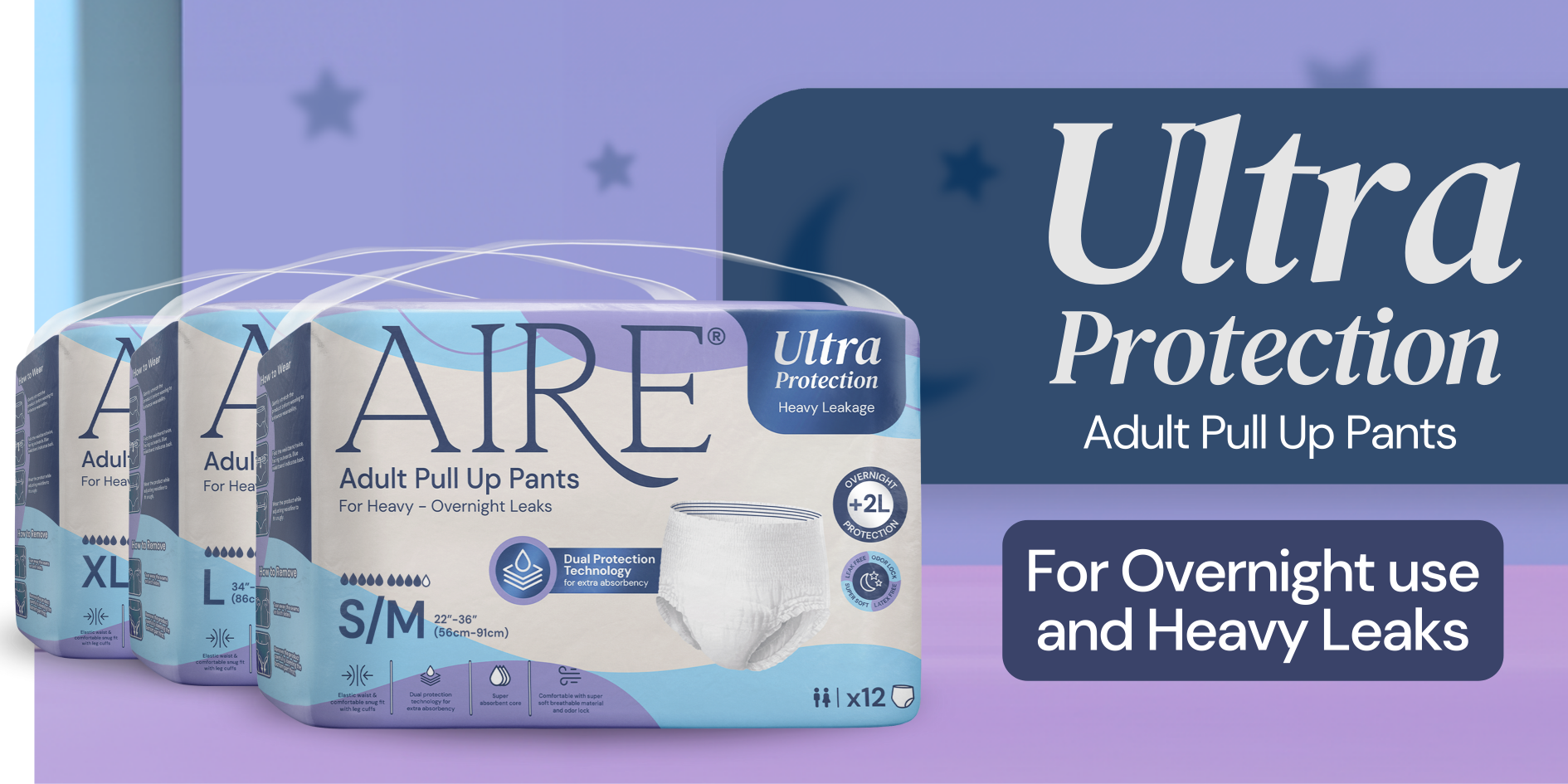
- Use the Right Products: While you are working on recovery, using the right protection makes day to day life a lot easier. Sanitary pads are made for menstrual flow and are not built to handle urine properly. Incontinence pull up pants are designed specifically for this and offer much better absorbency, odour control, and a comfortable fit. If you are not sure which option suits you, you can request a free sample pack and try before you decide. There is also nothing to be shy about when it comes to using them. Many women use incontinence products as part of their postpartum recovery, and with Aire's discreet design, no one will even know.
When Should You See a Doctor?
Postpartum incontinence is common, but you do not have to just put up with it. It is a good idea to see your doctor if:
- The leaking has not improved after three months.
- You feel pain or discomfort when you urinate.
- You notice blood in your urine.
- The leaking is stopping you from doing everyday things or is making you feel anxious or low.
Your doctor can refer you to a specialist or suggest other options depending on your situation. Please do not feel embarrassed to bring it up. This is something doctors hear about all the time, and there is always help available.
Leaking after childbirth is something many mothers go through, but it does not have to be permanent. With the right exercises and the right support, most women see real improvement. The most important thing is not to ignore it and to know that getting better is completely possible.
