

There’s a lot of information about incontinence online, and not all of it is accurate. Some common beliefs can make managing incontinence more confusing than it needs to be. Here, we address five of the most common misconceptions and what the evidence actually says.
Myth 1: Incontinence is only caused by a weak bladder.
Fact: The bladder itself is rarely the underlying problem.
Urinary incontinence is not simply a matter of the bladder "giving out." In many cases, the bladder is actually working as it should, and the issue often comes from other parts of the body involved in bladder control. Sometimes the bladder muscle becomes overactive and sends signals to empty too early. In other cases, the pelvic floor muscles may be weakened and unable to support the bladder properly. Hormonal changes after menopause can also affect the tissues around the urethra, while in men, an enlarged prostate may disrupt normal urine flow.
Understanding the cause is important because each type of incontinence needs to be managed differently. Stress, urge, overflow, and mixed incontinence each have different causes and respond to different interventions. Some people also experience urinary retention, where the bladder does not fully empty — a condition that is sometimes mistaken for other types of incontinence.
Myth 2: Kegel exercises will fix incontinence.
Fact: Pelvic floor exercises are effective for stress incontinence, but not all types - and technique matters.
Pelvic floor muscle training, commonly known as Kegel exercises, iis one of the most widely recommended ways to support bladder control. However, how effective it is often depends on the type of incontinence a person is experiencing.
For people with stress incontinence, where leakage happens during activities like coughing, sneezing, or lifting, strengthening the pelvic floor muscles can help reduce these leaks. For urge incontinence, where the bladder sends sudden and strong signals to urinate, Kegel alone may not be enough. In these cases, they are often combined with bladder retraining techniques that help the bladder gradually hold urine for longer periods.
Another important factor is technique. Many people unknowingly perform Kegel exercises incorrectly. Instead of gently lifting and tightening the pelvic floor muscles, some people push downwards, which may actually worsen symptoms. If Kegels have not been helping, guidance from a physiotherapist who specialises in pelvic health can make a big difference.
For those who prefer other gentle forms of movement, activities such as gentle yoga and low-impact seated exercises can also help support pelvic floor strength and overall bladder control
Myth 3: Drinking less water reduces leakage.
Fact: Restricting fluid intake can make incontinence worse.
Reducing how much water you drink is one of the most common things people try when managing incontinence. However, this can sometimes make symptoms worse rather than better.
When fluid intake drops, the body produces smaller amounts of more concentrated urine. This concentrated urine contains higher levels of waste, which can irritate the bladder lining. As a result, it may increase the feeling of urgency and cause people to urinate more frequently instead of less.
A more helpful approach is to pay attention to what you drink rather than simply reducing how much you drink. Caffeine, including coffee and tea, can irritate the bladder and increase how often you need to urinate. Carbonated drinks and alcohol can have similar effects. Choosing plain water instead and spreading fluid intake evenly throughout the day can often help improve bladder comfort and reduce sudden urges.
In Singapore’s humid climate, staying properly hydrated is especially important. Heat can increase the risk of dehydration, which can affect bladder health and make incontinence management more challenging. This is particularly important for older adults, who may be more vulnerable to dehydration. It can also help to be aware of the foods and drinks that may affect bladder comfort, as these everyday choices can influence symptoms over time.
Myth 4: Incontinence only gets worse over time - there is nothing to be done.
Fact: Incontinence is manageable, and in many cases symptoms improve significantly with the right approach.
Incontinence is not always something that simply gets worse over time. While age related changes such as reduced bladder capacity and weaker pelvic floor muscles are common, they do not mean symptoms cannot be meaningfully reduced.
Small lifestyle changes can make a meaningful difference. Adjustments to diet, maintaining a healthy weight, and regular pelvic floor exercises are all approaches supported by clinical research. Bladder retraining is another method that many people find helpful. This technique involves gradually increasing the time between bathroom visits so the bladder can slowly build better control.
In some cases, incontinence may also be linked to underlying causes such as urinary tract infections, hormonal changes, or medication side effects. When these issues are identified and treated, symptoms can often improve significantly.
Speaking to a GP or specialist is often the most important first step. Many people wait years before seeking help because they assume nothing can be done. In reality, early support and guidance can make a big difference in managing symptoms and improving daily comfort.
Myth 5: All incontinence products are essentially the same.
Fact: Fit, absorbency level, and product type vary significantly - and using the wrong product is a common cause of leaks and skin complications.
Not all incontinence products are designed the same, and these differences can have a real impact on comfort, skin health, and leak protection.
Absorbency is usually the first thing people consider. Different products are designed to handle different amounts of urine. When a product does not provide enough absorbency, it may require more frequent changes and can expose the skin to moisture for longer periods, increasing the risk of irritation. On the other hand, using a product with far more absorbency than needed can feel bulkier and less comfortable for everyday wear.
Fit is just as important. Many products on the market are designed based on Western body proportions and may not provide the best fit for Asian body types. When the fit is not right, leaks may occur from the sides or the back even if the absorbency level is high.
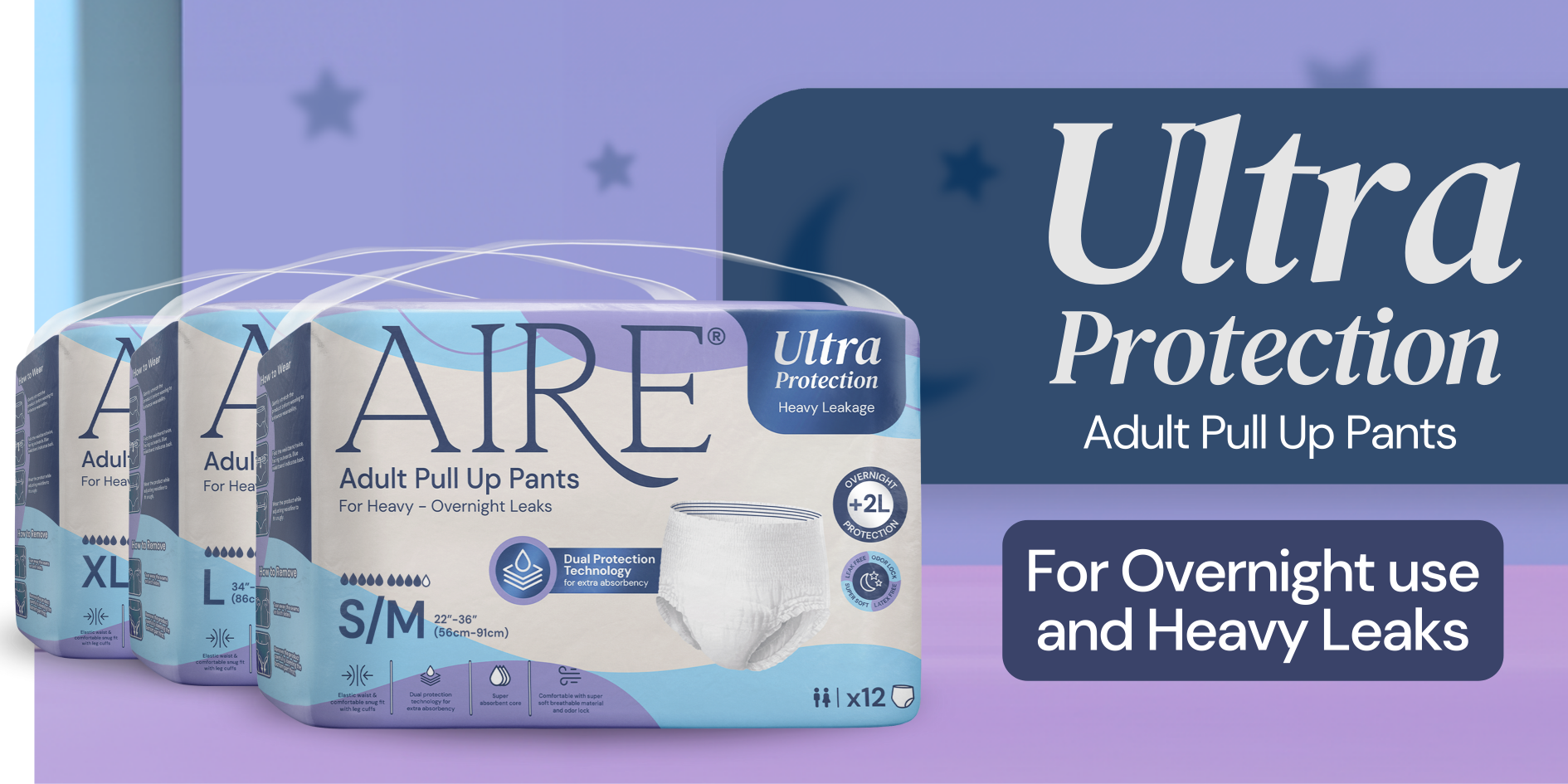
The type of product also plays a role. Pull up pants are often more suitable for individuals who are able to move around and change independently. Tape style diapers offer more adjustability and are often preferred when caregiver assistance is involved or when mobility is limited.
Choosing the right size and understanding common buying mistakes can be helpful starting points for anyone selecting incontinence products for the first time.
References
Continence Foundation of Australia. (2026). Pelvic floor muscles in women. https://www.continence.org.au/who-it-affects/women/female-pelvic-floor-muscles
Continence Foundation of Australia. (2025). Pelvic floor muscles in men. https://www.continence.org.au/who-it-affects/men/male-pelvic-floor-muscles
StatPearls Publishing. (2022). Urge incontinence. NCBI Bookshelf. https://www.ncbi.nlm.nih.gov/books/NBK563172
