

Incontinence is more common than most people think. In Singapore alone, it affects a significant number of adults, yet it is rarely talked about openly. Many people assume it is just a normal part of ageing, something they have to live with.
But that is not entirely true.
The reality is a lot more hopeful. In some cases, incontinence can be treated and even resolved. In others, it can be managed so well that it no longer disrupts daily life.
The key is understanding that incontinence is not just one condition, and that there are options.
Why the Answer is Not that Simple
Incontinence does not look the same for everyone. It can happen for different reasons, which is why the outcome varies from person to person.
Some people may experience leaks when they cough, laugh, or lift something heavy. Others may feel a sudden, urgent need to go and cannot hold it in time. There are also cases where the bladder does not fully empty, leading to small but frequent leaks.
Each of these has a different cause, and more importantly, a different way of managing or treating it.
That is why understanding what is actually causing the issue is the first step.
When Incontinence Can Be Resolved
There are situations where incontinence is temporary and can go away completely.
Urinary tract infections are one of the most common causes of temporary incontinence, especially in older adults. When bacteria affect the bladder, it can cause irritation and inflammation, which leads to a sudden need to urinate more often or more urgently. This can feel similar to urge incontinence. Once the infection is treated with antibiotics, these symptoms usually improve within a few days.
Medication-induced incontinence is more common than many people realise. Certain medications can affect how the bladder functions. For example, diuretics increase how much urine the body produces, while sedatives can make it harder to recognise the need to go to the toilet in time. Some medications for blood pressure can also affect bladder control. Reviewing and adjusting these medications with a doctor can often resolve the issue without further treatment.
After childbirth, some women may experience bladder leakage due to weakened pelvic floor muscles. This is common and often improves over time. With proper pelvic floor exercises and guidance from a trained professional, many women see significant improvement, and some recover fully.
Post-surgical incontinence following prostate procedures is common in the immediate recovery period and typically improves progressively over weeks to months as sphincter function is restored.
When It Can Be Improved
For many people, especially those dealing with longer term symptoms, the goal may not always be a complete cure, but meaningful improvement is very possible.
Simple, consistent steps can go a long way:
- Pelvic floor exercises is the first-line conservative treatment for stress incontinence recommended by major clinical guidelines. A structured programme carried out consistently over 12 to 16 weeks has been shown to reduce or eliminate stress leakage in a substantial proportion of participants.
- Bladder training is the primary behavioural intervention for urge incontinence. It involves progressively increasing the intervals between voiding to reduce bladder hypersensitivity and restore normal voiding frequency. This training carried out over six to twelve weeks consistently demonstrate meaningful reductions in urgency episodes and incontinence frequency.
- Lifestyle adjustments has a well-established evidence base. Weight reduction in overweight individuals reduces intra-abdominal pressure on the bladder and has been shown to reduce incontinence episodes. Maintaining adequate hydration prevents the production of concentrated urine, which further irritates the bladder wall. A detailed overview of dietary factors that affect bladder health is a useful practical resource.
-
Surgery may be considered for stress incontinence when other treatments have not worked. There are also less invasive options available. These are usually explored after discussing with a specialist.
With the right approach, many people notice fewer leaks, better control, and more confidence in their daily routine.
When Long-Term Management Is the Goal
For some people, incontinence may not fully go away, especially with age or certain medical conditions. But this does not mean it cannot be managed well.
With the right habits and support, many people are able to continue their daily routines with little disruption. Staying active, keeping a regular toilet schedule, and making small lifestyle adjustments can all help.
Choosing the right product also makes a big difference. A well fitting and breathable option helps keep the skin dry, reduces discomfort, and gives confidence throughout the day.
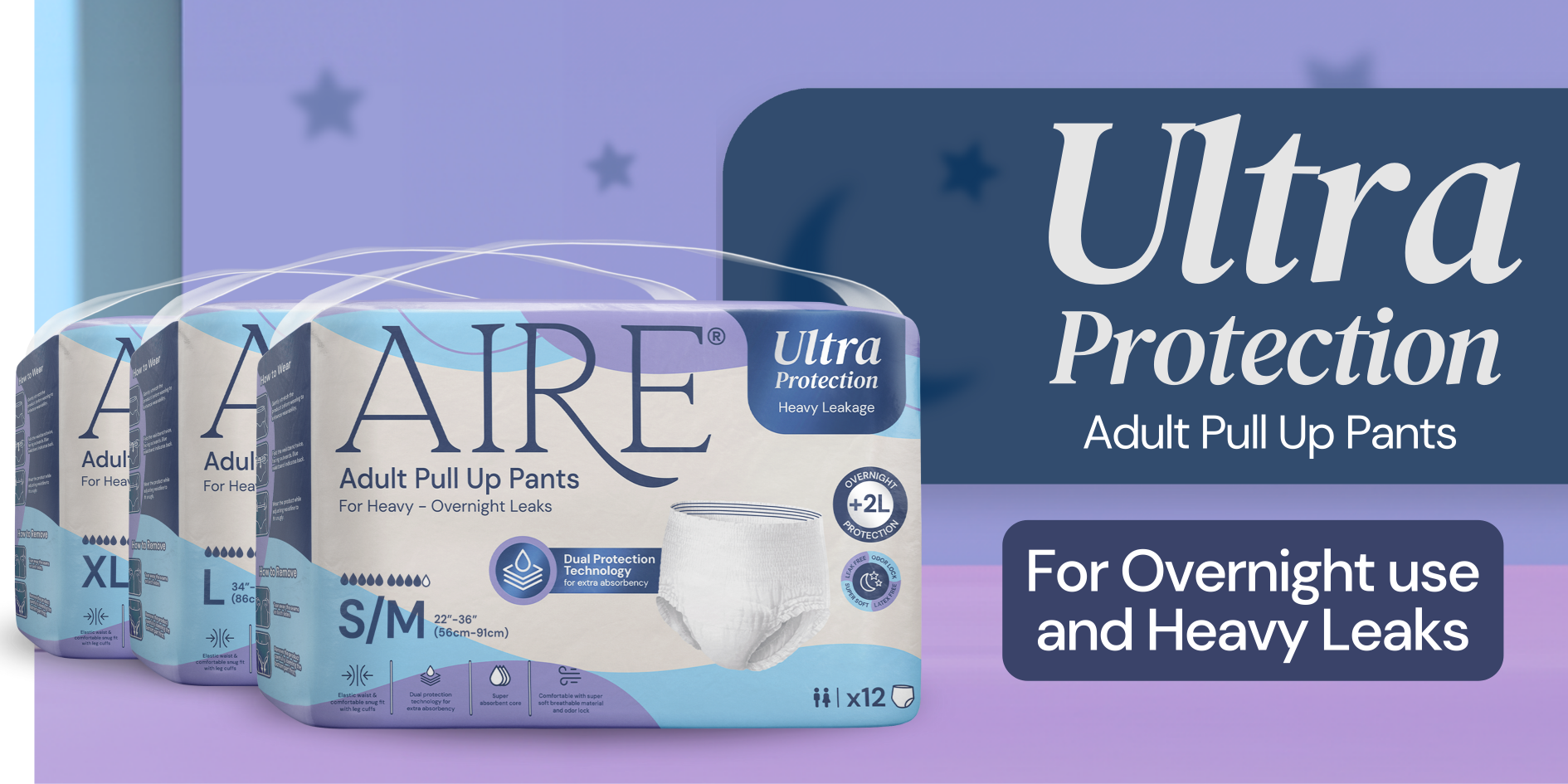
At AIRE, our products are designed to provide comfort and a better fit for Asian body types, so everyday life can feel easier and more secure.
The Importance of Early Assessment
Many people delay seeking help for incontinence, sometimes for years. This is often due to embarrassment or the belief that it is simply part of ageing and nothing can be done.
In reality, early support can make a significant difference.
A doctor can help identify possible causes, including those that are temporary or treatable. They can also recommend simple first steps such as lifestyle adjustments or pelvic floor exercises, and refer to other healthcare professionals if needed. Starting early often leads to better outcomes and can prevent symptoms from becoming more difficult to manage over time.
At the same time, having the right everyday support can make this journey more manageable. Using comfortable and reliable products like AIRE can help individuals feel more confident as they take steps to understand and manage their condition.
If you are unsure whether what you are experiencing is normal, speaking to a doctor is a good place to start. Getting clarity early can make the situation feel much more manageable.
Incontinence is not one single condition with one clear answer. It can happen for different reasons, and whether it can be cured or improved depends on what is causing it.
For many people, meaningful improvement or even full recovery is possible with the right support and treatment. For those managing it over the long term, the right approach can make it feel much less disruptive to everyday life.
With the right care, support, and everyday essentials like AIRE, managing incontinence can feel more comfortable, more confident, and much easier to live with.
Related Reading
- Adult Incontinence: Understanding the Different Types
- Bladder Training — Regain Control Today
- Stay Active, Stay Confident: Exercise Tips for Seniors Managing Incontinence
- Foods to Avoid and Embrace for Better Bladder Health
- Do I Have Incontinence or Is Urine Leak Normal?
- Drinking Water With Urine Leakage — The Facts Behind the Myths
