

It happens in the middle of a good laugh at a family dinner, or a sneeze that comes out of nowhere. A small leak, gone in a second, but enough to make you pause and hope nobody noticed.
If this sounds familiar, you are not alone. This is called stress incontinence, and it is the most common type of urinary leakage, particularly among women. Understanding why it happens is the first step toward doing something about it.
What is actually going on
When you laugh, cough, or sneeze, your body generates a sudden burst of pressure in the abdomen. Normally, the pelvic floor muscles and the muscles around the urethra tighten automatically to keep urine in. When those muscles are weakened or not responding quickly enough, that pressure pushes against the bladder and urine escapes before anything can stop it.
It has nothing to do with how full the bladder is. It is purely about whether the muscles supporting the bladder can hold up under sudden pressure. When they cannot, even a small sneeze is enough.
Who it happens to
Stress incontinence is far more common in women than in men, affecting roughly 1 in 3 women at some point in their lives. It becomes more likely with age, particularly after menopause when hormonal changes affect the strength and tone of the pelvic floor. Pregnancy and childbirth are also significant factors, since both place considerable strain on the muscles and tissues that support the bladder.
For men, it is less common but can happen after prostate surgery, which sometimes affects the muscles controlling the urethra.
It is also not just something that happens to older adults. Younger women experience it too, including those who have never been pregnant. Elite athletes deal with it. People who lift heavy objects regularly deal with it. The pressure that triggers a leak does not have to be dramatic.
Why it often goes unmentioned
Most people who experience stress incontinence manage it quietly for a long time before saying anything to a doctor. The leaks feel too small to mention, or it seems like something to just live with.
But stress incontinence tends to get worse over time without attention, not better. And the practical workarounds, avoiding certain activities, planning outfits carefully, laughing less freely, quietly take a toll on daily life in ways that are easy to underestimate.
What actually helps
The good news is that stress incontinence is one of the most treatable forms of incontinence, and the first-line treatment does not require medication or surgery.
Pelvic floor exercises, done consistently over several weeks, strengthen the muscles that support the bladder and urethra. Research consistently shows that most women see meaningful improvement after six to twelve weeks of regular practice. Our guide on Kegel exercises covers exactly how to do them and how to build the habit without it feeling like a big undertaking.
Weight management also makes a real difference for those carrying extra weight, since reducing pressure on the pelvic floor directly reduces leak frequency. Our post on weight loss and incontinence covers this in more detail.
Cutting back on caffeine and alcohol, both of which irritate the bladder, and treating chronic constipation if that is a factor, also helps reduce how often leaks happen. Our post on foods and drinks that affect the bladder is a good starting point.
For cases that do not improve with these approaches, a GP can refer to a pelvic floor physiotherapist or discuss other treatment options. In Singapore, these are available at most public hospitals and polyclinics, often at subsidised rates.
In the meantime
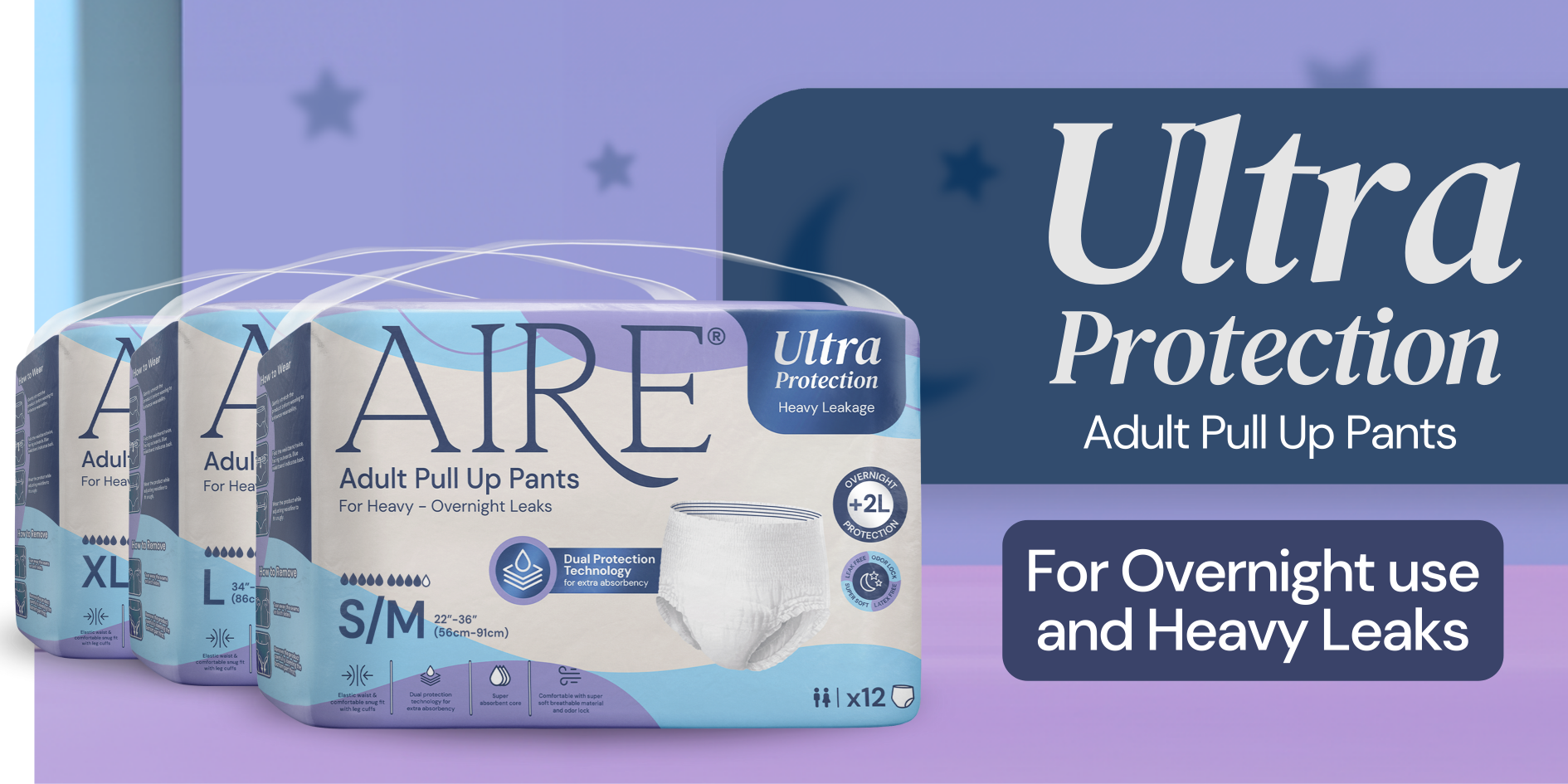
Having the right protection in place means a laugh does not have to come with anxiety attached to it. Aire's pull-up pants are designed to feel like regular underwear, so daily life can carry on normally while the underlying muscles are being worked on.
Aire offers a free sample pack if you want to find what works before committing to a full order.
